
Introduction: A Game That Defies Time and Trend
Bingo is one of those rare games that manage to straddle the delicate line between tradition and evolution. With its humble origins centuries ago and its stronghold in both physical halls and digital arenas today, bingo continues to capture the imagination of millions. While often dismissed as a lighthearted pastime, bingo embodies a deeper narrative—one of social unity, joyful anticipation, and enduring adaptability. In a world that craves connection and entertainment, bingo remains an emblem of both.
The Fascinating Origins of Bingo
Bingo’s history can be traced back to 16th-century Italy where a state-run lottery game known as “Lo Giuoco del Lotto d’Italia” was popular among locals. The concept spread across Europe, reaching France as “Le Lotto” where it was embraced by the aristocracy. Eventually, the game found a foothold in Germany, where it was adapted for educational purposes to teach children numbers and spelling. It wasn’t until the early 20th century that bingo as we know it today began to take shape in the United States. Edwin S. Lowe, a toy salesman, is often credited with popularizing the game after witnessing a similar version called “beano.” When a player excitedly yelled “bingo” instead of “beano,” Lowe saw the branding potential—and the rest is history.
How Bingo Works: The Mechanics of Simplicity
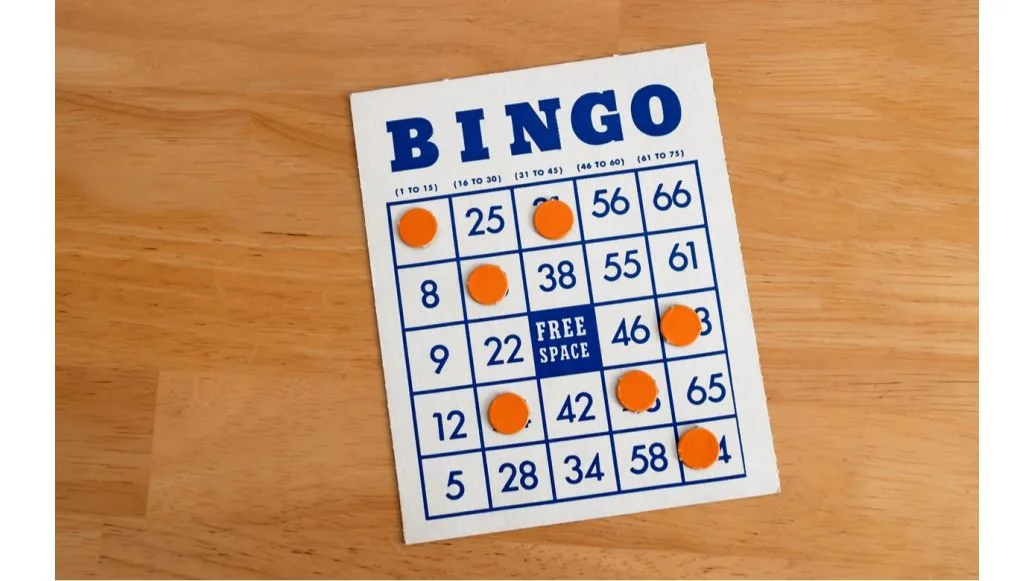
Bingo’s format is refreshingly straightforward. Players receive cards with a grid of numbers arranged under the letters B-I-N-G-O. A caller announces randomly drawn numbers, and participants mark matching spots on their cards. Victory comes when a player completes a predefined pattern and declares “Bingo!” This simplicity is a huge part of the game’s universal appeal.
Core elements of bingo gameplay:
-
Number calling: Usually randomized, traditionally via physical balls or digital generators
-
Card layouts: Vary depending on format (e.g., 75-ball, 90-ball, 30-ball)
-
Winning patterns: Include straight lines, diagonals, four corners, or full house
-
Pace of play: Moderate enough to encourage conversation and camaraderie
Despite its ease, bingo elicits real tension and excitement as players wait for that final, fateful number. It’s a game of patience, hope, and serendipity—all packed into a lighthearted format.
Bingo as a Social Ritual
Perhaps more than any other casual game, bingo is inherently social. Whether played in a local church, community center, or online room, it thrives on human connection. Long-standing friendships are formed over regular games, and for many, bingo provides much-needed moments of joy and belonging.
Social benefits of bingo:
-
Combatting loneliness: Particularly among senior populations, where social isolation is common
-
Building local ties: Regular players become familiar faces, forming mini-communities
-
Encouraging intergenerational play: Grandparents, parents, and children can easily join in together
-
Fostering inclusivity: The rules are accessible and simple, allowing people with varying skill levels and abilities to enjoy the game equally
Even in digital versions, online bingo platforms integrate chat rooms and live hosts, keeping the social atmosphere alive and dynamic.
Bingo in the Digital Era: Reinvention and Relevance
Bingo’s transition to the digital space has been remarkably successful. From browser-based platforms to mobile apps, modern bingo offers a range of formats, themes, and engagement mechanisms that appeal to younger audiences while maintaining the charm of its traditional counterpart.
Why online bingo thrives:
-
Convenience: Play from the comfort of your home or on the go
-
Theme variety: Seasonal, pop culture, and fantasy-themed rooms enhance the experience
-
Real-time interactivity: Chat features, friend lists, and live moderators add a personal touch
-
Gamification: Points systems, bonuses, and leaderboards keep players returning
These technological enhancements have not diluted the game’s core. Instead, they’ve infused it with energy and ensured its survival in a highly competitive digital entertainment space.
The Role of Bingo in Fundraising and Community Events
Bingo has long been a staple in the nonprofit world as an effective and enjoyable fundraising tool. Schools, churches, and charities frequently use bingo nights to raise funds while fostering a sense of collective participation.
Benefits of bingo for fundraising:
-
Low overhead: Requires minimal setup compared to large-scale events
-
Community engagement: Encourages participation from a wide age range
-
Repeat value: The format is reusable for recurring events
-
Entertainment factor: Guests often see bingo nights as a social outing rather than just a charity drive
The dual purpose—entertainment and altruism—makes bingo one of the most effective and versatile tools for community engagement.
Dispelling the Stereotypes
For too long, bingo has been stereotyped as a game solely for retirees and pensioners. While it’s true that senior communities have embraced it enthusiastically, modern bingo’s reinvention has attracted a much broader demographic. Millennials and Gen Z players have entered the scene, drawn by themed nights, social media promotions, and the gamified elements of mobile platforms.
Bingo nights now take place in trendy bars, hip cafés, and even music festivals, often accompanied by DJs, cocktails, and quirky prizes. This cultural shift proves that bingo isn’t bound by age—it’s an adaptable form of entertainment that resonates in countless ways.
Conclusion: A Classic with Endless Life
Bingo is much more than a game—it is a cultural mainstay, a social connector, and a continually evolving source of fun. Its longevity stems from a unique mix of simplicity, excitement, and emotional resonance. While many games come and go, bingo has mastered the art of staying relevant without sacrificing its roots. It invites laughter, fosters community, and, above all, offers a little spark of joy—whether you’re in a bustling hall, a quiet living room, or tapping your phone on a train ride home. In a world that often moves too fast, bingo reminds us to pause, play, and connect.
