
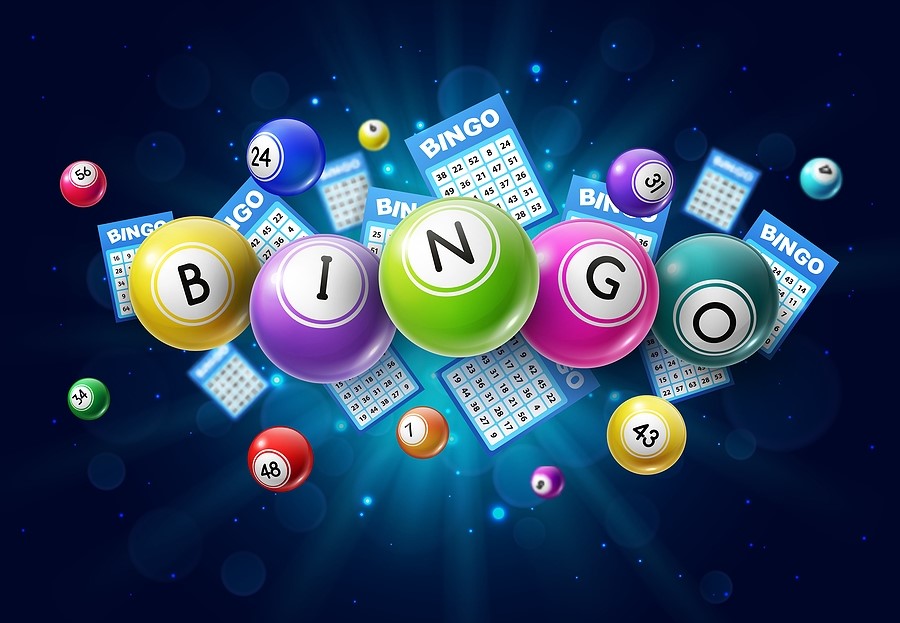
Introduction: More Than Just a Game
Bingo, a seemingly simple game of chance, has transcended generations, demographics, and geographical boundaries to become a beloved pastime across the globe. With roots that trace back to 16th-century Italy, this iconic game has reinvented itself time and again—migrating from church basements and senior centers to the vibrant digital platforms of today. But bingo is far more than a few numbered balls and a winning shout—it is a social ritual, a cultural staple, and for many, a source of excitement, connection, and nostalgia.
A Brief History: From Italian Origins to Global Appeal
The origins of bingo can be traced to “Il Gioco del Lotto d’Italia,” a lottery-style game played in Italy as early as the 1530s. The game made its way to France in the 18th century, where it was embraced by the aristocracy as “Le Lotto.” Over time, it traveled to Germany, where educators utilized it as a teaching tool for mathematics and vocabulary. By the early 20th century, bingo had made its American debut, initially known as “beano” before being rebranded by a New York toy salesman who overheard a player mistakenly yell “bingo” in excitement.
The Mechanics: Simple Yet Addictive
Bingo’s brilliance lies in its simplicity. A typical bingo card consists of a grid with numbers randomly placed under the letters B-I-N-G-O. As a caller draws numbers, players mark matching numbers on their cards. The first player to complete a specific pattern—whether a line, column, diagonal, or full house—wins.
Despite its apparent simplicity, bingo maintains an element of suspense and thrill that keeps players engaged. The randomness of the draw ensures that everyone has a fair chance, making it a game of pure luck rather than skill. Yet, beneath the randomness lies a deeply engaging experience, especially when played in group settings.
The Social Fabric: More Than a Solo Sport
One of bingo’s most remarkable features is its social aspect. Traditionally played in halls, community centers, and religious institutions, bingo has always been a conduit for togetherness.
Key social benefits include:
-
Community Bonding: Bingo nights foster regular gatherings that build friendships and combat isolation, particularly among older adults.
-
Intergenerational Appeal: From grandparents to grandchildren, bingo provides a unique platform where generations interact over a common activity.
-
Inclusive Atmosphere: The rules are easy to grasp, making it accessible to people of varying ages and abilities.
Even in the digital age, online bingo platforms strive to replicate this communal experience through chatrooms, avatars, and social features that keep players connected.
Bingo’s Digital Renaissance
In recent years, bingo has experienced a dramatic resurgence, thanks to the rise of online gaming platforms. With sleek mobile apps, themed rooms, and live callers, digital bingo has successfully captured the spirit of the traditional game while adding modern-day conveniences.
Key features of online bingo’s success:
-
Accessibility: Players can enjoy bingo anytime, anywhere, with just a smartphone or computer.
-
Customization: Online platforms offer themed games, jackpots, and even variations like 75-ball or 90-ball bingo, catering to a wide array of preferences.
-
Gamification: Interactive elements such as loyalty rewards, achievements, and in-game bonuses enhance engagement and encourage repeat play.
Interestingly, the virtual world has attracted a younger demographic, helping shake the stereotype of bingo as an “elderly” game and repositioning it as a fun, vibrant, and inclusive activity for all ages.
Bingo as Fundraising and Charity Tool
Bingo has long been utilized as a fundraising mechanism by churches, schools, and nonprofit organizations. Its simplicity and low barrier to entry make it ideal for charitable events. Beyond the financial support it generates, bingo brings people together for a common cause, reinforcing community values and collective goodwill.
Why Bingo Endures
Bingo has survived centuries, not merely because it is fun, but because it adapts. It can be casual or competitive, solitary or social, in-person or online. Its malleable nature ensures that it resonates across cultures, age groups, and socioeconomic boundaries. More importantly, it retains a human element—a blend of excitement, camaraderie, and anticipation—that digital games often struggle to replicate.
Core reasons for its continued popularity:
-
Universality: Easy to learn and play across all demographics
-
Emotional Appeal: Taps into nostalgia, excitement, and community spirit
-
Affordability: Generally low-cost, making it accessible to a broad audience
-
Variety: Multiple formats and themes keep the game fresh and engaging
Conclusion: The Game That Keeps Giving
Bingo, in all its incarnations, is a celebration of joy, chance, and community. From dusty church halls to dazzling mobile apps, it remains a beloved fixture in the landscape of entertainment. Whether you’re a seasoned player who recalls the thrill of shouting “bingo” in a packed hall, or a newcomer discovering the game on a smartphone screen, the essence of bingo remains unchanged—it brings people together, one number at a time.
As the world continues to change and technology evolves, bingo will undoubtedly adapt once more. But its core appeal—connection, excitement, and timeless simplicity—will always endure.
