
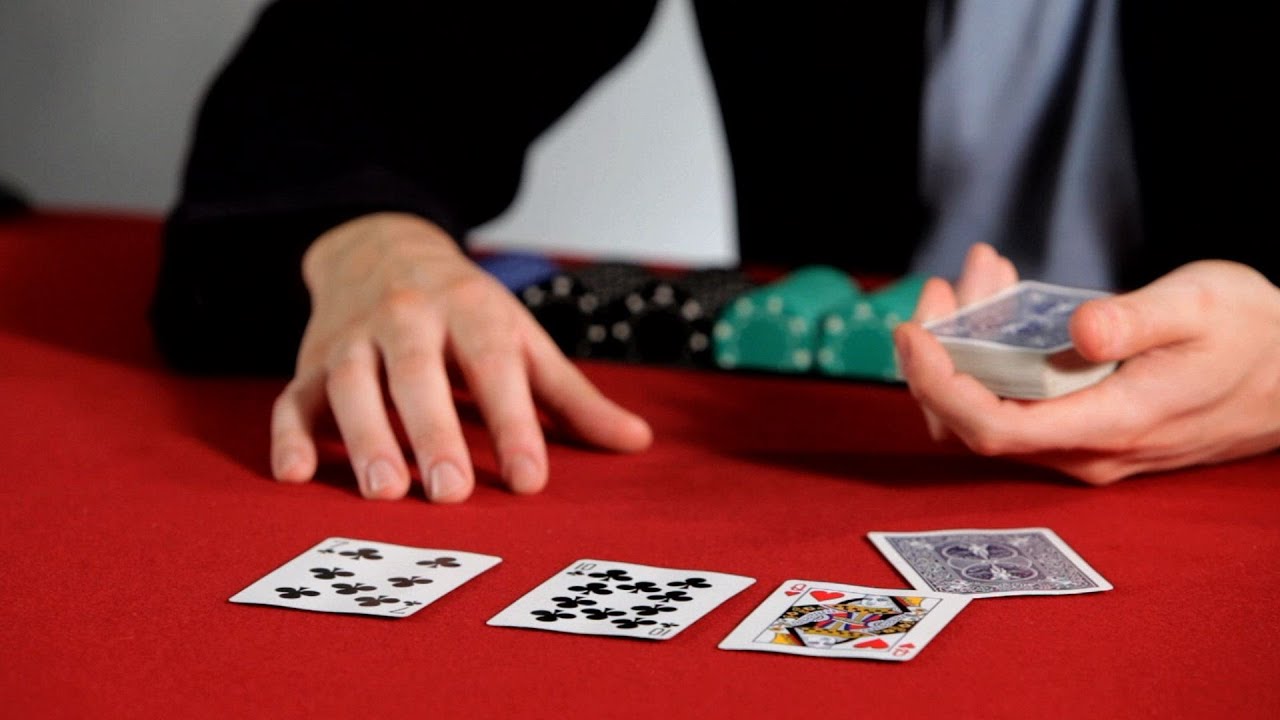
Poker is frequently framed as a ruthless battle of mathematics, hand ranges, and calculated risk assessment. Novices spend countless hours memorizing pre-flop charts, studying pot odds, and analyzing expected values. Yet, two players armed with identical technical knowledge can sit at the same table and experience wildly divergent long-term financial results.
The missing variable is almost always psychological resilience. Poker is uniquely punishing because it is one of the very few competitive endeavors where making the correct analytical decision can still result in a devastating financial loss due to short-term variance.
Mastering the cards on the felt is only half the battle. True longevity in the game requires steeling the mind against emotional turbulence, cognitive fatigue, and the inevitable psychological swings of competitive play.
http://googleusercontent.com/image_collection/image_retrieval/3000152979838714353
The Unique Burden of Poker Variance
In most traditional sports or video games, superior skill correlates directly with immediate victory. If you play better than your opponent for sixty minutes, the scoreboard usually reflects that reality. Poker operates under an entirely different set of physical and mathematical laws.
Short-Term Luck Versus Long-Term Skill
You can push all your chips into the middle holding pocket aces against a weaker hand with a ninety percent mathematical advantage, and still watch the dealer spike a miracle card on the river to bust your stack. This phenomenon is known as variance.
-
The Emotional Toll: Repeatedly suffering losses when you made the exact correct mathematical play creates cognitive dissonance. The human brain struggles to separate execution quality from outcome quality.
-
Result-Oriented Thinking: Inexperienced players judge their abilities based solely on whether a single hand won or lost, rather than evaluating whether their strategic decision-making process was sound.
The Danger of Tilt
When variance relentlessly beats down a player, emotional control often fractures, leading to a dangerous psychological state known as tilt.
-
Emotional Repercussions: Tilt manifests in many ways, from aggressive chip splashing out of sheer frustration to passive, fearful folding due to eroded confidence.
-
Decision Degradation: Once tilt takes hold, your analytical mind shuts down, and your play deteriorates into a self-fulfilling prophecy of catastrophic financial bleeding.
Building Emotional Regulation on the Felt
Developing psychological resilience requires active mental conditioning. Professional players treat their emotional stability with the same rigorous discipline that they apply to studying game theory.
Accepting the Uncontrollable
The cornerstone of mental fortitude in poker is complete acceptance of variance. You cannot control what cards the dealer pulls from the deck, nor can you control how your opponents play their hands.
-
Focusing on Process: You must shift your internal metric of success away from daily profit or loss and onto the quality of your decisions. If you played your hand correctly given the information available, the session was a success regardless of the financial ledger.
-
Detaching From Money: Viewing poker chips purely as abstract scoring units rather than hard currency helps detach your ego and self-worth from the fluctuating bankroll.
Recognizing Physical Warning Signs
Mental fatigue and tilt rarely arrive without physical precursors. High-level competitors learn to tune into their bodies to catch emotional spirals before they ruin a session.
-
Tension and Posture: Clenched jaws, tightened shoulders, and shallow breathing are early indicators of stress and mounting frustration.
-
The Discipline to Walk Away: Recognizing these somatic signals empowers a player to close their laptop or step away from the live table, protecting their bankroll from compromised decision-making.
Cultivating Long-Term Mental Stamina
Surviving multi-hour tournament grinds or grueling cash game sessions demands exceptional endurance, focus, and lifestyle management.
Managing Cognitive Energy
Mental stamina is a finite resource. Just as a physical athlete cannot sprint indefinitely without burning out, a poker player cannot maintain peak concentration for twelve hours straight without strategic breaks.
-
Structured Rest Intervals: Implementing mandatory away-from-table breaks every hour allows the brain to reset, reducing cognitive fatigue and preventing mental lapses during crucial river decisions.
-
Physical Health Foundations: Proper sleep hygiene, cardiovascular exercise, and clean nutrition directly influence neurotransmitter function, bolstering your mental capacity to endure stressful card sessions.
Developing a Post-Session Review Habit
Resilience is forged through reflection rather than suppression. Burying the memory of a brutal loss guarantees you will repeat the same emotional mistakes during your next session.
-
Analytical Detachment: Reviewing your hand histories hours or days after the session allows you to analyze mistakes with a calm, rational mindset devoid of raw emotional residue.
-
Continuous Growth: Transforming painful losses into objective learning opportunities builds profound self-assurance, reinforcing the belief that you can handle whatever variance the game throws your way.
Frequently Asked Questions
What is the primary difference between running bad and being a bad player?
Running bad refers to experiencing a statistical downswing where random variance goes against your mathematically correct plays over the short term. Being a bad player means making fundamentally flawed strategic decisions that create a negative expected value over the long term.
How can a player recover their confidence after a massive downswing?
Recovering confidence requires dropping down to lower stakes where the financial pressure is minimal, allowing you to refocus entirely on sound technical execution and re-establish trust in your decision-making process.
Does meditation help improve poker performance?
Mindfulness and meditation practices train the brain to observe thoughts and emotions without reacting impulsively, making them powerful tools for recognizing tilt triggers and maintaining emotional equilibrium during stressful sessions.
Why do some technically brilliant players still fail professionally?
Technical brilliance alone cannot compensate for poor emotional control, weak bankroll management, and the inability to handle severe downswings without tilting away your entire capital.
How does bankroll management protect psychological health?
Proper bankroll management ensures that a string of unlucky losses does not threaten your financial stability or daily livelihood, which in turn removes the crushing anxiety that causes catastrophic emotional tilt.
Can table talk and opponent behavior trigger mental fatigue?
Harsh table talk, slow playing, and aggressive opponent behaviors are common psychological tactics designed to induce frustration. Developing emotional detachment shields you from these external distractions.
Is mental resilience more important in live poker or online poker?
Both formats demand immense resilience, but online poker features significantly faster hand volumes and potential multi-tabling, which accelerates variance and tests your psychological endurance at a much higher frequency.
