
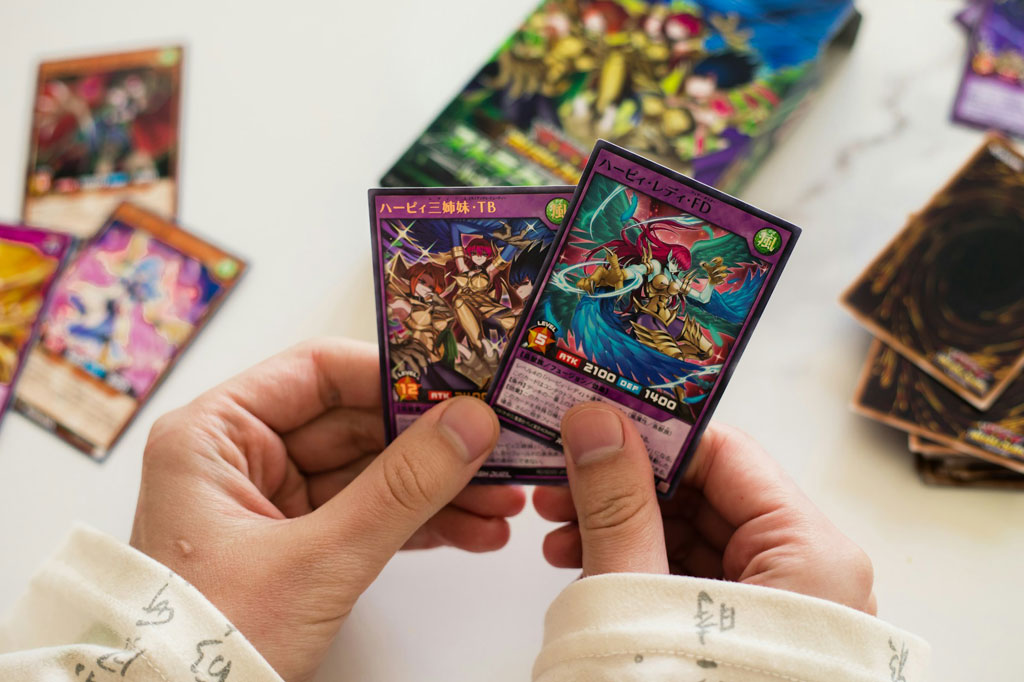
For decades, the commercial card and board game industry was dominated by massive multi-national corporations. These publishing giants relied heavily on safe, proven mechanics, iterating on time-tested formulas like standard monopoly loops or traditional drafting mechanics.
Independent creators operating on tight budgets and fueled purely by raw passion have completely shattered that corporate mold. Armed with crowdfunding platforms and direct-to-consumer distribution models, indie designers are proving that innovative mechanics and unconventional themes resonate deeply with modern players.
The underground indie scene has evolved into a powerhouse of creative disruption. These independent titles are redefining what a deck of cards can achieve, steering the entire tabletop gaming industry into an era of bold experimentation.
The Rise of Independent Innovation
Big publishers often avoid risks because a failed product launch can cost millions of dollars in manufacturing and logistics. Independent creators do not operate under those corporate constraints.
Freedom From Market Constraints
Without a board of directors demanding broad mainstream appeal, indie developers can lean into bizarre concepts, deeply emotional narratives, or hyper-niche mechanics. This freedom allows them to design experiences that challenge player expectations rather than simply pandering to the lowest common denominator.
Direct Community Collaboration
Indie developers build their audiences long before the physical cards ever reach a printing press. Through platforms like Kickstarter and active developer logs on social forums, creators test prototypes directly with passionate players. This feedback loop ensures that the final product is finely tuned, highly responsive, and tailored directly to what gaming communities actually want to play.
Breakthrough Mechanics Redefining Tabletop Play
Indie card games are introducing fresh gameplay loops that leave traditional publishers scrambling to adapt.
Deckbuilding Evolution
While traditional deckbuilders popularized the concept of starting with a weak hand and buying better cards throughout the game, indie titles have warped this mechanic in fascinating ways.
-
Legacy and Destructive Elements: Some indie games require players to permanently alter cards by writing on them, ripping them up, or applying stickers, creating a unique single-campaign journey.
-
Asymmetrical Progression: Rather than offering a level playing field where everyone buys from the same central market, indie designs often grant each player entirely unique deck modification rules based on their chosen character arc.
Narrative Driven Card Combat
Storytelling used to be the exclusive domain of sprawling roleplaying games with massive rulebooks. Indie card games have successfully integrated complex emotional narratives directly into minimalist card layouts.
-
Emotional Weight: Games that deal with themes of mental health, survival, or interpersonal conflict use simple card draws to represent profound emotional hurdles.
-
Emergent Storytelling: The combination of random card draws and tactical choices creates unscripted cinematic moments that rival traditional video game storytelling.
How Digital Platforms Amplified Physical Indie Games
The boundary between physical tabletop games and digital gaming has blurred, thanks in large part to indie developers who embrace both mediums.
Digital Prototyping and Playtesting
Tools like Tabletop Simulator allow indie creators spread across different continents to test balance patches and mechanics in real-time. This digital accessibility means a solo developer working from a small apartment can refine a game with hundreds of blind playtesters before spending a single dollar on physical card stock.
Crossover Success Stories
Many modern indie card hits started as small print-and-play files or digital prototypes before blowing up globally. When a digital indie card game achieves breakout viral success on streaming platforms, it frequently receives a physical tabletop adaptation, bringing digital natives into local game stores.
The Economic Impact on Local Game Stores
The indie card game movement has injected vital energy into independent hobby shops and local brick-and-mortar retailers.
Cultivating Dedicated Communities
Local game stores thrive on community engagement. Indie games often feature cult followings that draw players into weekly game nights, tournaments, and painting workshops.
Supporting Grassroots Creativity
When consumers purchase indie titles, a significantly larger percentage of revenue goes directly back to the independent artists, writers, and designers who poured years of labor into the project. This healthy ecosystem encourages even more creators to quit their day jobs and build the next great tabletop sensation.
Frequently Asked Questions
How do indie game developers typically fund their projects?
Most indie card game creators rely on crowdfunding websites like Kickstarter or Gamefound to secure manufacturing capital, supplemented by direct pre-orders through their own independent websites.
Can single developers successfully compete with large game publishers?
While massive publishers hold structural advantages in global shipping and retail shelf space, indie developers frequently out-compete them in creativity, direct community connection, and niche market appeal.
What is a print-and-play indie game?
A print-and-play game is a digital file provided by the developer containing card designs and rulebooks that players can print, cut, and assemble at home to test the game for free or a nominal fee.
How do indie card games handle balance patches after release?
Unlike fixed board games of the past, indie creators often release digital balance updates for companion apps, provide print-on-demand expansion packs, or share official errata documents online to keep meta-environments fresh.
Why do indie card games often feature minimalist art styles?
While many indie games feature breathtaking, high-budget artwork, minimalist styles allow solo creators or small teams to focus heavily on tight game balance and fast prototyping without bankrupting the project on art commissions.
Are indie card games generally more complex than traditional ones?
Indie card games span the entire spectrum of complexity, ranging from ultra-simple party games with five-minute rule explanations to deeply complex tactical experiences that require hours of strategic mastery.
Where can players discover new and upcoming indie card games?
Dedicated tabletop conventions, online community subreddits focused on board game design, and independent digital storefronts serve as the primary discovery hubs for emerging indie titles.
