
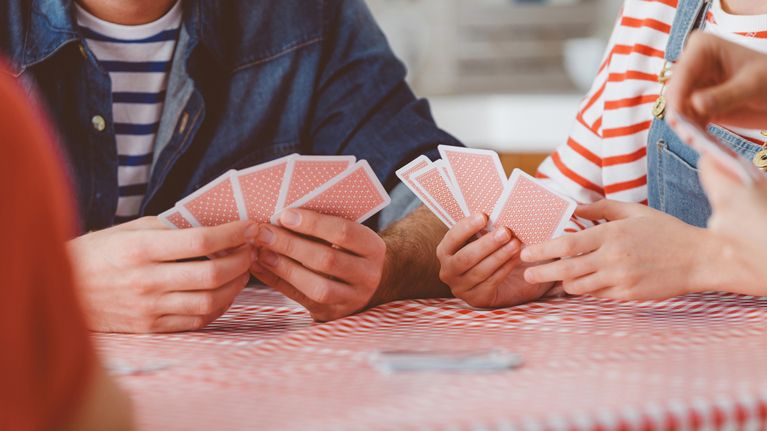
In an era dominated by glowing screens, digital notifications, and endless scrolling, finding meaningful ways to connect under one roof can feel challenging. Families often sit in the same room while staring at separate devices, missing out on genuine interaction.
Reviving the timeless tradition of casual family card games offers a simple yet powerful antidote to digital fatigue. A standard deck of cards costs very little, takes up almost no space, and provides countless hours of entertainment.
Gathering around a kitchen table or living room floor for a few rounds of cards bridges generational divides, encourages laughter, and creates lasting memories without requiring complex setups or expensive equipment.
http://googleusercontent.com/image_collection/image_retrieval/3947157788143970334
The Enduring Value of Low Stakes Play
Casual card games thrive because they keep the focus squarely on relaxation and social bonding rather than fierce, cutthroat competition.
Breaking Down Barriers
When people sit down to play a casual game, daily stressors tend to fade away. The shared focus on drawing cards, making lighthearted bluffs, and following simple turns breaks down communication walls between parents, teenagers, and younger children.
Accessibility for All Ages
Unlike intricate modern board games with dozens of pieces and rulebooks thick enough to rival novels, classic card games rely on mechanics that children can grasp within minutes. Grandparents already know the rules from their own childhoods, making card games one of the few intergenerational activities where everyone participates on an equal playing field.
Classic Games That Encourage Relaxation
Choosing the right game depends heavily on the mood of the household and the ages of the players. Some nights call for fast-paced action, while others demand relaxed pacing and casual conversation.
Go Fish and Memory Matches for Younger Kids
For households with younger children, games like Go Fish or simple matching variations build early cognitive skills while keeping frustration levels low.
-
Building Social Skills: Children learn turn-taking, basic counting, and how to handle gentle wins and losses in a safe environment.
-
Low Pressure Environment: Because luck plays a massive role in these games, toddlers and young kids win frequently, keeping engagement high and tears to a minimum.
Crazy Eights and Uno Style Matches
As children grow into school age, games that introduce slight strategic decisions become favorites. Crazy Eights keeps players on their toes by shifting suits and forcing penalty draws.
-
Adaptability: Players must adapt their strategies on the fly as the active suit changes, keeping minds sharp while remaining lighthearted.
-
Quick Round Lengths: Games finish fast, allowing losing players to jump right into a revenge match without waiting for a lengthy hour-long board game to conclude.
Rummy and Spades for Older Families
When teenagers and adults populate the table, games with deeper layerings of memory, planning, and partnership work exceptionally well.
-
Partnership Dynamics: Playing games in pairs encourages teamwork, silent communication, and shared tactics between parents and teens.
-
Mental Stimulation: Rummy variants challenge players to organize their hands efficiently, turning a casual evening into a gently engaging mental workout.
Creating the Ultimate Family Card Night Environment
Setting the physical space properly transforms a standard Tuesday evening into a special family ritual that everyone looks forward to all week.
Minimizing Distractions
The golden rule of a successful family game night is enforcing a strict device ban. Phones, tablets, and televisions should be silenced and stored in another room. When everyone gives the game their undivided attention, conversations flow naturally, and inside jokes are born.
Enhancing the Atmosphere
Physical comfort matters just as much as the rules of the game. Clear off the dining table or gather comfortably around a coffee table with plenty of pillows and blankets.
-
Snack Coordination: Keep finger foods and drinks nearby, but choose items that will not leave greasy residue on the playing cards. Pre-shuffled plastic-coated decks survive snack mishaps far better than cheap paper alternatives.
-
Background Ambiance: Play soft background music at a low volume to fill any quiet lulls between turns, helping create a cozy, welcoming atmosphere.
The Hidden Mental and Emotional Benefits
Beyond mere entertainment, regular card nights contribute quietly to the overall well-being of the household.
Strengthening Resilience
Losing a game gracefully is an important life skill. Casual card games provide a low-stakes environment where children experience minor disappointments and learn how to bounce back quickly. When parents also accept bad hands and bad luck with humor, they model healthy emotional regulation for their kids.
Reducing Anxiety
Laughter triggers the release of endorphins and lowers cortisol levels. Spending an hour joking around the card table acts as a natural decompression chamber after a stressful week of school deadlines, work pressures, and daily commutes.
Frequently Asked Questions
What are the best card games for a large family gathering?
Games that accommodate unlimited players or group rotation, such as Spoons or simple bluffing games, work wonderfully for large family gatherings because they keep everyone active and laughing simultaneously.
How do you handle younger children who struggle with losing?
Focus heavily on the fun moments of the gameplay rather than the final score. You can also play cooperative card games where the entire family works together as a team to beat the deck instead of competing against each other.
Are plastic playing cards worth buying over paper ones?
Plastic playing cards are vastly superior for family use because they resist bending, tearing, and spills from drinks. They last for years and shuffle much smoother than cheap paper decks.
How can you keep teenagers engaged during family game nights?
Let teenagers take turns choosing the game each week, or introduce modern card games featuring humorous themes and fast mechanics that appeal to adolescent humor.
What is a good card game for exactly two players?
Games like Gin Rummy, Speed, or Casino provide fast-paced, highly engaging competition specifically designed for two players when the rest of the household is busy.
How often should families host a game night?
Consistency matters more than frequency. Setting aside a dedicated hour every single week, such as Friday night after dinner, turns the activity into an anticipated tradition rather than a forced chore.
Do card games help improve cognitive skills in older adults?
Card games stimulate memory retention, strategic planning, and mental agility, making them an excellent hobby for keeping minds sharp across all generations.
