
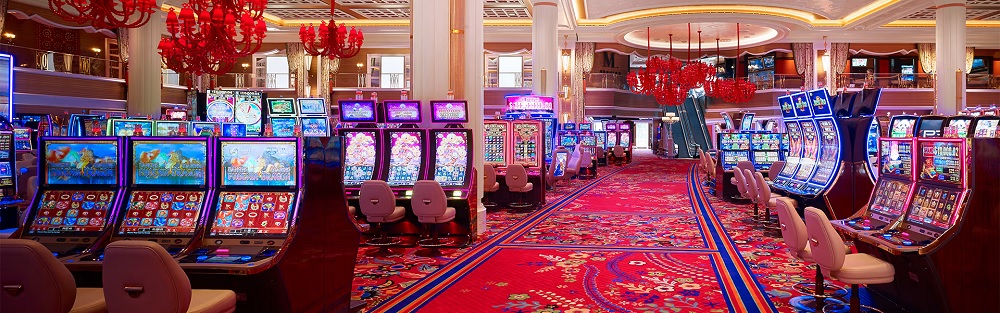
Slot games have long been a cornerstone of casino entertainment, captivating players with their vibrant visuals, enticing sounds, and promise of thrilling wins. From the humble mechanical machines of the late 19th century to today’s sophisticated digital creations, slot games have evolved remarkably while retaining their irresistible charm. This article explores the rich history, design intricacies, and cultural impact of slot games, shedding light on why they continue to enchant millions of players worldwide.
The Origins of Slot Games: Mechanical Beginnings
The story of slot games begins in the late 1800s with the invention of the first mechanical slot machine. Charles Fey, an American mechanic, is credited with creating the iconic “Liberty Bell” machine in 1895. This groundbreaking device featured three spinning reels and a simple but effective mechanism for determining winning combinations. The Liberty Bell quickly gained popularity due to its ease of play and the excitement generated by its payouts.
Mechanical slot machines typically featured symbols such as bells, fruits, and playing card suits, many of which remain staples in modern slot design. The simplicity of these machines made them accessible to a broad audience, establishing the foundation for what would become one of the most popular casino games.
Transition to Electronic and Digital Slots
With the advent of electronics in the mid-20th century, slot games underwent a significant transformation. The introduction of video slots in the 1970s allowed for greater creativity in game design, including the addition of multiple paylines, bonus rounds, and interactive features. Unlike their mechanical predecessors, video slots rely on computer-generated graphics and Random Number Generators (RNGs) to ensure fairness and unpredictability.
The shift to online gaming in the late 1990s further revolutionized slot games, enabling developers to craft immersive themes, complex storylines, and innovative gameplay mechanics. Today’s online slots feature dazzling animations, immersive soundtracks, and a variety of ways to win, appealing to diverse player preferences.
Anatomy of a Slot Game: Key Components
Understanding the elements that compose slot games helps explain their enduring appeal.
-
Reels: Traditionally, slot machines have three or five reels that spin to display symbols. Modern slots may incorporate more reels or unconventional layouts.
-
Paylines: These are the lines across the reels that determine winning combinations. While early slots had a single payline, contemporary games often offer dozens or even hundreds.
-
Symbols: Icons on the reels vary widely depending on the game’s theme. Common symbols include fruits, numbers, letters, and themed images such as jewels or characters.
-
Bonus Features: Many modern slots incorporate special features like wild symbols, scatters, free spins, multipliers, and interactive bonus rounds designed to enhance excitement and increase winning opportunities.
-
Return to Player (RTP): This percentage indicates the expected payout over time, guiding players on the theoretical fairness of a game.
The Psychology Behind Slot Games: Why They Captivate
Slot games are meticulously crafted to engage players on multiple psychological levels.
-
Sensory Stimulation: Bright colors, flashing lights, and engaging sounds stimulate the senses, creating an immersive atmosphere that draws players in.
-
Variable Rewards: The unpredictability of wins, known as a variable ratio reinforcement schedule, is highly effective at maintaining player interest and excitement.
-
Near Misses: Slots often feature near-miss outcomes that simulate almost winning, encouraging players to try again.
-
Ease of Play: The simplicity of slot games, which require no prior skill or strategy, makes them accessible and appealing to a wide demographic.
Popular Themes and Cultural Influence
One of the hallmarks of slot games is their thematic diversity, which allows players to engage with content that resonates personally or simply entertains.
-
Classic Fruit Machines: Rooted in tradition, these slots evoke nostalgia with their familiar symbols and straightforward gameplay.
-
Adventure and Fantasy: Games featuring explorers, mythical creatures, and epic quests transport players into imaginative worlds.
-
Movies and Pop Culture: Licensed slots based on popular films, TV shows, and celebrities leverage existing fan bases to boost appeal.
-
Historical and Cultural: Some slots explore ancient civilizations, folklore, or cultural motifs, providing an educational yet entertaining experience.
The cultural impact of slot games extends beyond casinos, influencing music, art, and even fashion. Their imagery and motifs have become iconic symbols recognized across societies.
Responsible Play and Player Awareness
While slot games offer entertainment and potential rewards, it is vital to approach them with mindfulness.
-
Set Limits: Players should establish clear time and budget boundaries to ensure gaming remains enjoyable and does not lead to financial strain.
-
Understand the Odds: Recognizing the role of chance and the statistical nature of wins helps maintain realistic expectations.
-
Use Tools: Many online platforms provide features such as self-exclusion, deposit limits, and reality checks to promote responsible gambling.
-
Seek Support if Needed: Awareness of resources for problem gambling is essential for those who may struggle with control.
The Future of Slot Games: Innovation on the Horizon
As technology continues to advance, the future of slot games promises exciting developments.
-
Virtual Reality (VR): VR slots aim to create fully immersive casino environments where players can interact with games in three-dimensional space.
-
Skill-Based Slots: Blurring the line between chance and skill, these games incorporate elements requiring player input to influence outcomes.
-
Blockchain and Cryptocurrency: Integrating these technologies offers enhanced transparency, security, and novel ways to handle bets and payouts.
-
Artificial Intelligence: AI may be used to personalize gaming experiences, adapting gameplay to individual preferences and behaviors.
Conclusion: The Timeless Appeal of Slot Games
Slot games have journeyed from simple mechanical devices to complex digital experiences, continuously adapting to technological innovations and player expectations. Their blend of accessibility, sensory engagement, and potential rewards ensures they remain a central pillar of the gambling world. Beyond the thrill of spinning reels lies a rich tapestry of history, culture, and psychology that makes slot games much more than just a pastime—they are a dynamic form of entertainment that connects tradition with the future. For both casual players and avid enthusiasts, slot games offer a captivating escape where chance and excitement spin endlessly together.
