
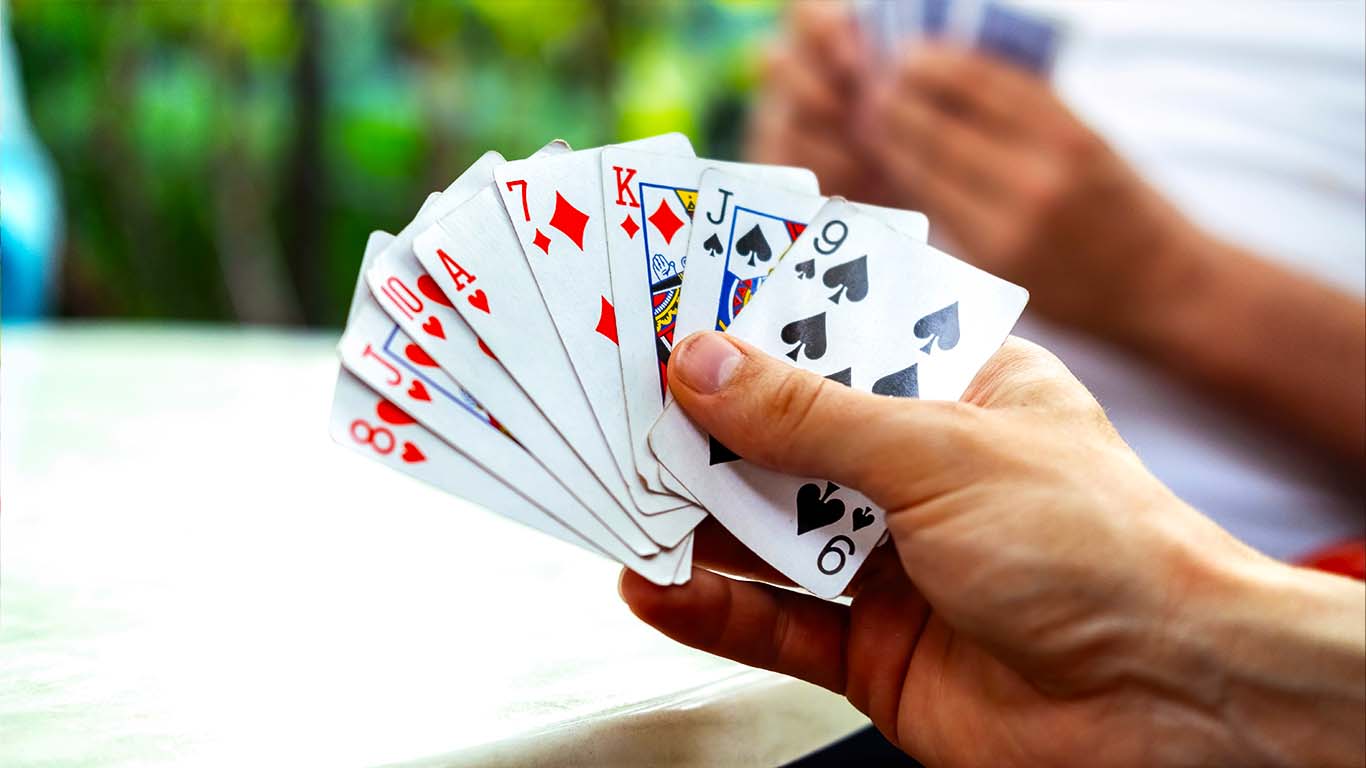
Card games have occupied a cherished place in human culture for centuries, transcending borders and generations. These versatile games—ranging from casual pastimes to intense strategic battles—offer more than mere entertainment. They embody a blend of skill, luck, psychology, and social interaction that few other forms of recreation can rival. This article explores the fascinating world of card games, delving into their history, diversity, and the unique qualities that continue to captivate players worldwide.
The Origins and Historical Significance of Card Games
The origins of card games can be traced back over a thousand years to ancient China, where early forms of paper cards were used for both gaming and divination. From there, the tradition spread to the Middle East, Europe, and eventually the rest of the globe. By the late Middle Ages, card games had become a popular pastime in European courts and taverns alike, evolving into numerous variations tailored to local cultures and preferences.
Card games often mirrored societal structures, serving not only as leisure activities but also as tools for teaching strategy, probability, and diplomacy. Over time, they became deeply embedded in social rituals, from royal gatherings to family game nights, reinforcing bonds and sharpening mental acuity.
Exploring the Variety: Types of Card Games
The world of card games is extraordinarily diverse, encompassing countless styles that cater to different tastes and skills. Broadly speaking, card games fall into several categories:
-
Trick-taking Games: These require players to win specific “tricks” or rounds by playing the highest-ranking card of a given suit. Classic examples include Bridge, Spades, and Hearts.
-
Shedding Games: The objective is to be the first to discard all cards. Uno and Crazy Eights are popular modern incarnations.
-
Matching Games: Players seek to collect sets of cards with matching values or suits, such as Rummy and Go Fish.
-
Casino-style Games: These blend luck and strategy, including games like Poker, Blackjack, and Baccarat.
-
Collectible Card Games: With a focus on deck-building and strategic play, games such as Magic: The Gathering and Pokémon have carved out a niche of dedicated enthusiasts.
Each genre offers a distinct experience, varying from highly social and cooperative to fiercely competitive and solitary.
The Allure of Card Games: Why They Endure
Card games owe their lasting appeal to a combination of intrinsic qualities that resonate deeply with players.
Strategic Depth and Cognitive Challenge
Many card games demand a keen understanding of probabilities, memory, and tactical decision-making. Whether calculating the odds of drawing a particular card or bluffing opponents in Poker, players engage their analytical faculties, often sharpening skills transferable beyond the gaming table.
Social Interaction and Connection
Card games create spaces where people gather, communicate, and share moments of joy or tension. Unlike solitary digital games, they facilitate face-to-face interaction, enhancing social bonds and fostering community. The rituals of shuffling, dealing, and the occasional playful banter add layers of enjoyment to the experience.
Accessibility and Flexibility
A standard deck of cards is compact, affordable, and easy to transport, making card games remarkably accessible. Many require minimal equipment and can be adapted to suit different numbers of players and varying time commitments, accommodating everything from quick casual matches to marathon tournaments.
The Psychological Elements of Card Gaming
Beyond strategy, card games engage players psychologically. Elements such as bluffing, reading opponents, and managing emotions are central to many games, particularly Poker.
-
Bluffing: The art of deception tests players’ abilities to mask their intentions while detecting the same in others.
-
Emotional Control: Maintaining composure under pressure distinguishes skilled players from novices, influencing decision-making and ultimately outcomes.
-
Pattern Recognition: Successful players often excel at observing behaviors and card distributions, enabling more informed strategies.
These psychological dynamics make card games rich in complexity and human drama.
Card Games in the Modern Era: Tradition Meets Innovation
Despite the rise of digital entertainment, card games have not only endured but flourished. Online platforms now offer virtual versions of classics alongside innovative new games, often integrating social features and global competition.
Physical card games, meanwhile, continue to thrive in community centers, cafes, and private homes. There is a resurgence of interest in collectible card games and organized tournaments, which blend nostalgia with modern competitive culture.
Moreover, card games have found a role in education and therapy, aiding cognitive development and social skills training. Their adaptability ensures they remain relevant in a fast-changing world.
Tips for Enjoying Card Games to the Fullest
Whether you are a casual player or an aspiring enthusiast, certain approaches can enrich your card gaming experience:
-
Learn the Rules Thoroughly: Understanding the mechanics and objectives is foundational to both enjoyment and skill development.
-
Practice Regularly: Like any skill, proficiency improves with experience and reflection on past games.
-
Play with a Variety of Opponents: Different players bring unique styles and strategies, broadening your perspective.
-
Balance Competition and Fun: While winning is gratifying, embracing the social and entertainment aspects keeps the experience rewarding.
-
Explore New Games: Don’t hesitate to try unfamiliar games; they can offer fresh challenges and insights.
Conclusion: The Timeless Appeal of Card Games
Card games stand as a testament to the enduring human love for play, strategy, and social connection. From their ancient origins to their modern incarnations, they have woven themselves into the fabric of countless cultures, adapting to new technologies and tastes while preserving their core pleasures. Whether played around a kitchen table, in a bustling casino, or via an online platform, card games continue to offer a sophisticated blend of challenge and camaraderie that few other pastimes can match. In an age often defined by digital detachment, the simple act of dealing cards remains a powerful invitation to engage, compete, and connect.
