
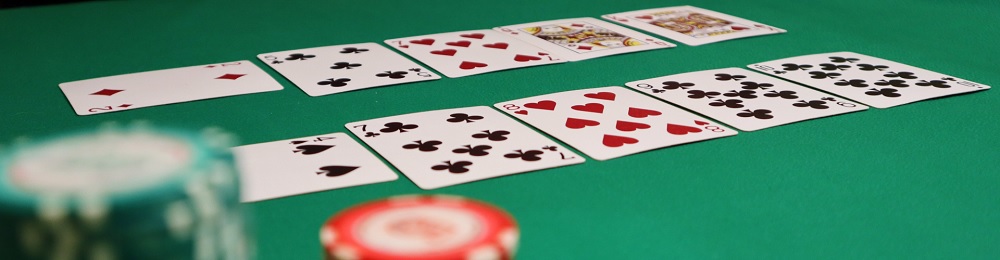
Introduction: More Than a Game, a Global Fascination
Poker is more than just a game of cards—it’s a cultural phenomenon, a mathematical challenge, and a battlefield of wits. Played in backroom saloons, luxury casinos, family gatherings, and on sleek digital platforms, poker has captivated millions across generations. It has become a symbol of calculated risk, strategic mastery, and psychological warfare. At its core, poker is a game that rewards not just luck, but intelligence, emotional control, and the ability to read people as much as probabilities.
A Brief Look Back: Tracing the Roots of Poker
While its exact origins remain debated, poker’s historical tapestry is woven from multiple card games that span continents and centuries. It’s believed to have evolved from the Persian game As-Nas and the French game Poque, both of which featured bluffing and hand rankings. By the early 1800s, poker had taken root in the United States, particularly along the Mississippi River where riverboat gamblers spread its popularity. From the smoky saloons of the Wild West to the brightly lit halls of Las Vegas, poker evolved with society, gaining legitimacy, regulation, and eventually global reverence through televised tournaments and online platforms.
Understanding the Basics: The Foundation of Every Hand
The fundamental concept of poker is simple: players compete to make the best five-card hand or to convince others they hold it. While countless variants exist, all share this core principle. The standard deck contains 52 cards, and hand rankings remain consistent across most versions.
Poker hand rankings (from strongest to weakest):
-
Royal Flush: A, K, Q, J, 10 of the same suit
-
Straight Flush: Five consecutive cards of the same suit
-
Four of a Kind: Four cards of the same rank
-
Full House: Three of a kind plus a pair
-
Flush: Five cards of the same suit, not in sequence
-
Straight: Five consecutive cards in mixed suits
-
Three of a Kind: Three cards of the same rank
-
Two Pair: Two pairs of different ranks
-
One Pair: Two cards of the same rank
-
High Card: When no combination is made, the highest card wins
Popular variants include:
-
Texas Hold’em: The most recognized format worldwide, offering two hole cards and five community cards
-
Omaha: Similar to Hold’em but played with four hole cards and different betting dynamics
-
Seven-Card Stud: A classic version with no community cards and gradual card revelation
-
Draw Poker: Players can replace cards in their hand after an initial deal
Each version has its own rhythm and strategy, but all are united by the psychological tension and intellectual rigor they demand.
The Strategic Side of Poker: Thinking Beyond the Cards
One of the defining traits of poker is that it’s not about playing the cards—it’s about playing the people. While card odds and hand rankings are vital, the ability to read an opponent’s behavior, tendencies, and emotions often proves more decisive.
Essential strategic elements include:
-
Position: Acting later in a betting round gives more information and control over the hand
-
Pot Odds: Knowing whether a call is mathematically justifiable based on the potential reward
-
Bluffing: Convincing opponents you have a stronger hand than you do, forcing them to fold better cards
-
Bankroll Management: Controlling the amount of money used for play to sustain over the long term
-
Table Image: The persona you project influences how others respond to your actions
Poker teaches patience, probability, risk management, and the ability to adapt strategies in real time. It rewards not the reckless, but the wise and disciplined.
The Psychological Chess Match
Unlike many card games, poker demands intense mental control. Emotions can be your greatest enemy at the table. Tilt—a state of emotional frustration that clouds judgment—is a well-known phenomenon in the poker world. Great players learn to maintain composure regardless of winning or losing streaks.
Psychological tools used by elite players:
-
Observation: Watching betting patterns, timing, and physical cues
-
Misdirection: Acting strong when weak, or vice versa, to manipulate opponents
-
Focus: Staying alert over long hours of gameplay without mental fatigue
-
Adaptability: Changing gears to avoid predictability
The best players are not just card experts—they’re human behavior specialists, leveraging psychology to gain an edge.
Poker in the Digital Age: Global Access and Evolution
The internet revolutionized poker in the early 2000s, opening it to a broader audience. Online poker rooms allowed people from around the world to compete in real-time, removing physical barriers and democratizing access to the game. With the rise of mobile apps, anyone with a smartphone can now sit at a virtual table.
Benefits of online poker:
-
Convenience: Play anytime, anywhere, with low or high stakes
-
Speed: Faster dealing and gameplay allow more hands per hour
-
Variety: Access to multiple formats and tournaments simultaneously
-
Learning tools: Hand histories, replays, and tracking software help refine skills
-
Anonymity: Players can experiment with styles without fear of judgment
Online platforms have also fueled a rise in professional players, many of whom began as unknowns grinding micro-stakes and rose to fame through skill and discipline.
Cultural Impact: Poker in Media and Pop Culture
Poker has made a lasting mark on popular culture. Films like Rounders, Casino Royale, and Maverick have romanticized the game, portraying it as a high-stakes battle of intellect and nerve. Televised tournaments, especially the World Series of Poker (WSOP), brought the game into living rooms, transforming players like Daniel Negreanu, Phil Ivey, and Chris Moneymaker into international icons.
Poker jargon—terms like “all-in,” “bluff,” “river,” and “tilt”—has entered everyday speech, reflecting the game’s deep integration into modern language and life.
Conclusion: Poker’s Lasting Legacy and Allure
Poker is a testament to the complexity and beauty of human competition. It combines mathematics and mind games, silence and speech, boldness and restraint. Whether you’re playing a friendly game with friends, grinding online tables, or battling under the lights in a world-class tournament, poker challenges you to know yourself, know your opponents, and make decisions under pressure.
Its elegance lies in its balance: simple enough to learn in minutes, yet deep enough to master over a lifetime. As long as people seek challenge, community, and the thrill of calculated risk, poker will continue to flourish—one hand, one bluff, one brilliant call at a time.
